
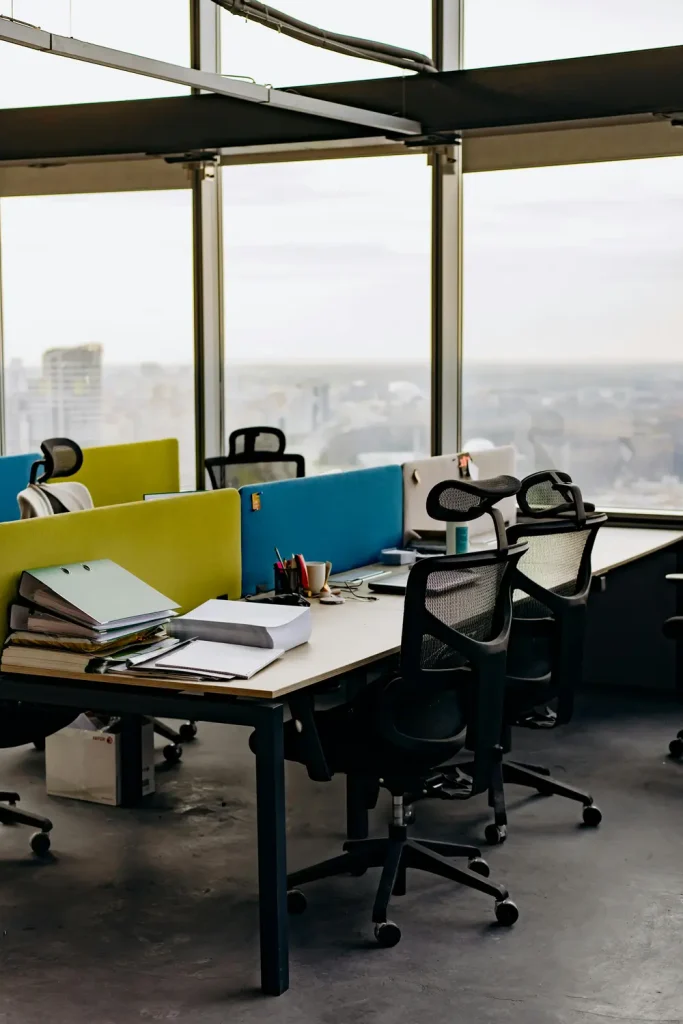
When it comes to getting the most from your workforce, the way your workspace is laid out matters more than many managers realise. A carefully thought-out office layout can make all the difference between a buzzing, productive team and a frustrated, under-performing one. At Wessex Interiors, we’ve spent decades helping businesses across the South refurbish, partition and optimise their offices, we’ve seen first-hand how good design translates into real gains.
In this post, we’re going to walk you through practical office layout ideas that actually improve productivity, backed by insight, research and a few lessons from the field.
Why Office Layout Matters
Office layouts aren’t only about looks. More studies show how space setup, light levels, sound control, or desk types affect how workers feel and do their jobs.
A recent study found that how rooms are set up, what chairs and tables are used, or the kind of lights matter a lot for how workers feel and perform at their jobs. On top of that, research shows generic open offices aren’t always better – when laid out poorly, they can mess with concentration, raise tension, and leave people less happy. There’s when an adaptable, well-thought workspace really matters.
Practical Office Layout Ideas to Boost Productivity
- Mix teamwork spots with calm spaces for concentration – use separate corners or shift layouts now then
Open-plan offices might seem great at first – better chats between coworkers, more room to move around, or saving money on space. Yet trouble starts when everyone’s crammed into a single wide area. With noise bouncing nonstop, concentrating on work gets harder by the minute. Employees need quiet now and then, particularly for tasks that require full attention or privacy.
Try a setup based on what people do each day – some call it an activity-based layout (ABW). Set up separate spots: open sections where teams gather, flexible desks for joint tasks, silent nooks or back rooms for focus time, also common lounges for casual talks. At Wessex Interiors, we usually suggest this mix because it fits how people actually get things done.
- Prioritise acoustics and comfort (not just looks)
Furniture, lights, and room setup matter – yet keeping noise low, temperature right, and spaces cozy counts just as much. Study after study proves these everyday conditions shape how well you work and feel.
Small changes make a difference – like using quiet ceiling panels, dividers, or materials that soak up noise. Breakout spots feel better with cozy fabrics instead of hard surfaces. Open spaces? Try rugs along with background sound tricks to cut down echoes. Wessex Interiors knows how to fit drop ceilings, room separators, and smart layouts together without messing up the look.
- Mix fixed workstations with flexible space
People don’t always work the same each day. One task might need deep focus, while another thrives on collaboration or fresh ideas. A mix of set seating and adaptable spaces helps groups shift easily – say, from quiet individual effort to lively team sessions – with no hassle.
This adaptability helps you expand the workspace gradually as your team grows or shift how rooms are used as demands change; a detail we often include in refits and fit-outs at Wessex Interiors.
- Embrace natural light, greenery and ergonomic design
How well you work doesn’t come down to room design alone. Light – either from windows or evenly placed fixtures – can change how alert, calm, or focused you feel. Pair this with comfortable furniture that fits your body right, toss in some greenery, and suddenly the space feels better, both physically and mentally.
Where ceilings or partitions are involved (areas we often handle at Wessex Interiors), opt for designs that allow for good light flow and flexible furniture placement.
- Use layout to reflect company culture and work style
A workspace setup gives clues about how your company runs. Not flexible, old-style setups feel stiff. Totally open floors suggest adaptability. Yet a well-split design – using shared spots, quiet corners, or quick-shift stations – shows you support group effort as well as solo focus.
This type of layout works for mixed work setups, helps teams connect, or gives quiet space if required. Small change, big impact – can influence how people act at work, also boosts output.
Common Pitfalls – And How to Avoid Them
A completely open layout – no separate areas – can seem trendy at first glance; yet it usually causes more harm than good. Sound travels everywhere, interruptions happen nonstop, while personal space disappears quietly. That chaos tends to kill focus instead of boosting it.
Ignoring sound control and comfort: a sleek workspace fails when staff can’t focus. Poor noise management, weak lighting, or awkward seating ruin what looks like a great design
No natural give: Needs shift over time. Workspaces must adjust – like squeezing in extra stations, switching areas for groups, or handling mixed remote setups. Stiff layouts fall apart once things start changing.
Ignoring how each person works best: no single setup fits all. While some focus better in silence, a few do well with teamwork. Mix things up so every working style feels included.
Why Working with Wessex Interiors Makes a Difference
For more than three decades, Wessex Interiors has handled office upgrades – also diving into workspace setups, room dividers, ceiling systems, even raised floors.
So when laying out an office, it’s more than sketching rooms – we consider how folks walk around, work together or focus alone. Sound levels matter, along with light quality, room to adapt, also how areas might shift over time.
Whatever your needs – hot desking on the fly, spaces that fit remote and in-person teams, or a blend of meeting spots, team hubs and silent nooks – we build around how people actually work, feel good doing it, and leave room to grow.
Getting Started: What to Think About Before Redesigning Your Office Layout
If you’re thinking about refreshing your office layout to boost productivity, here’s a quick checklist to help you begin:
- Watch what people really do each day – check how groups team up, when they need silence to focus, or spots where things slow down.
- Set up spots based on what people do there – like quiet corners for concentrating, shared spaces where teams chat, small rooms for quick meetings, entry points for visitors, among others.
- Think about how things might change later – use sections that snap apart or pieces you can shift around instead.
- Fix sound quality along with cosiness – check ceilings, then move to walls; swap harsh lights for softer ones, improve airflow slowly, pick chairs that fit your body right.
- Match your workspace design to what the company actually does – so it fits both current tasks and future goals.
- If things get tough, reach out – companies such as Wessex Interiors take your ideas and turn them into smart, working spaces.
A well-designed office layout isn’t a luxury — it’s a strategic asset. It affects productivity, wellbeing, collaboration, and even company culture.
With thoughtful zoning, good acoustics, ergonomic design and flexibility, you can create a workspace that supports both individuals and teams. At Wessex Interiors, that’s exactly what we aim to deliver: offices built not just to look good, but to help your people work better, smarter and happier.
If you’re considering an office refurbishment or layout redesign, we’d love to chat and help you plan a space that fits your team now and in the future. Call us on 02380 663 100 or complete our online contact form to get in touch today.